
Blog
What Is a Dough Kneader? Everything to Know Before You Buy

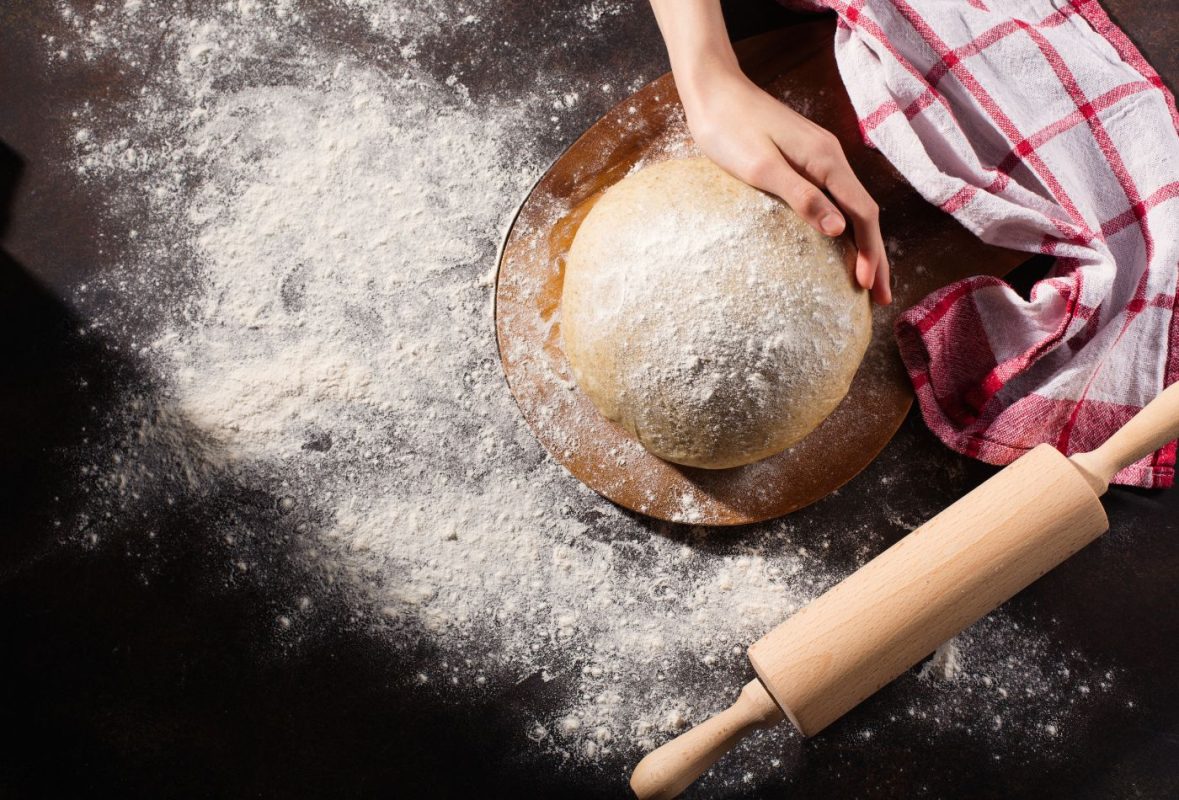
Kneading dough by hand is time-consuming, energy-draining, and requires patience. In most homes and small food businesses all over Pakistan, dough is processed daily for roti, naan, paratha, buns, bread, and pizza bases. That’s why a dough kneader has become a practical solution for those looking for faster prep, less mess, and more consistent output.
Search behaviour in Pakistan also shows that many shoppers search with different names for similar products. Some people search for an atta machine, some call it a dough maker, and others type “dough kneader machine” or “dough-kneading machine.” Whatever you call it, the purpose remains the same: making soft, pliable dough with minimal manual labour. This guide explains what this machine does, how it works, the different types available, and what buyers should look for before making a purchase.
What This Machine Does
A dough kneader is used to mix flour, water, and other ingredients into a smooth dough. Its job is more than just mixing. It also helps with gluten development, which gives dough the stretch, structure, and softness needed for better shaping and baking.
This is why the machine is useful for daily staples as well as bakery items. You can prepare dough for roti, naan, kulcha, bread, buns, and pizza. In summary, a dough kneader automates the hard work and improves consistency from one batch of dough to another.
How It Works
A dough kneader typically uses a hook, blade, or spiral system that presses, folds, and turns the dough repeatedly. Some models also move the bowl during the process. This repeated motion helps mix the ingredients more evenly and combines the dough faster than hand kneading.
Proper kneading helps the dough come together, improving the texture of the final product and making it easier to shape and cook. Roti dough becomes smoother, bread dough rises higher, and pizza dough becomes easier to handle. Many modern machines also include helpful features such as timers, safety covers, and overload protection, which make everyday use easier at home or in small shops.
The Real Difference Between Kneader vs Mixer
A dough kneader is mainly designed for kneading dough, especially when the dough is heavy, thick, or prepared frequently. A standard mixer can be more versatile and may handle cake batter, cream, sauces, or lighter kitchen work.
Some machines can do both jobs, but the internal design still matters. Dough kneaders are generally better for roti, naan, bread, and pizza dough because they are built to handle strain and repetitive kneading motion. A general-purpose mixer may be enough for occasional cooking, but regular dough preparation usually requires a machine with better kneading capacity.
Types Available in the Market
Manual Model
A manual unit works without a motor. It relies on hand strength and tends to be cheaper. For someone on a tight budget or someone who uses it only occasionally, it may work well enough, but it still takes effort and time.
Electric Model
For modern kitchens, an electric dough kneader is usually the better option. It speeds up the process, requires less effort, and fits more easily into daily family use. Most home users in Pakistan prefer an electric model for chapati, paratha, and bread dough.
Spiral Model
For bakery use, a spiral-style dough kneader is often a better choice. It is well suited for dense dough and supports better gluten development, which is important for bread and pizza. This style is closely related to the spiral dough mixer segment commonly sold by bakery equipment suppliers.
Commercial and Home Models
Most home machines are smaller, easier to clean, and made for small batches. Commercial machines are bigger, stronger, and built for heavy daily use. The right choice depends on how much dough you need to prepare and how often you plan to use the machine.
Why Buyers Choose This Machine
A dough kneader saves time and reduces physical effort in daily cooking. That matters in kitchens where dough is made more than once a day, and even more in food businesses where speed and consistency affect output.
Another major benefit is uniformity. Dough mixed by hand can vary from person to person and day to day. Since a machine repeats the same motion every time, it delivers a more consistent texture. It can also help roti puff better, bread rise more evenly, and pizza bases hold their shape. For many buyers, that consistency alone is worth the investment.
What It Can Make
Dough kneaders can be used for many types of recipes. In Pakistani homes, they are most useful for kneading dough for roti, chapati, paratha, puri, and naan. They can also handle bread dough, bun dough, pizza dough, and some pastry bases.
This flexibility is also helpful for small businesses. A café, pizza shop, or neighborhood bakery can prepare repeated batches without slowing down staff. Depending on the model, the machine can also serve as a bread dough kneading machine, pizza dough kneader, or flour kneading machine.
Who Should Consider Buying One
For families that make dough regularly, a dough kneader is a smart choice for faster, cleaner preparation. It is also useful for people who find hand kneading tiring or difficult because of time limits or reduced hand strength.
It is also a practical option for small bakery owners, restaurants, school canteens, and pizza businesses. Anyone who prepares large amounts of dough every day will benefit from a machine that saves labor and improves consistency.
What Buyers Should Look for Before Buying
A dough kneader should be chosen based on need, not just price. The first thing to consider is capacity. A home machine and a bakery unit are not designed for the same type of work. The bowl size and dough-handling ability should match the amount of dough prepared in one batch.
Another important factor is motor power. A weak motor may struggle with stiff dough or repeated use. A stainless steel bowl is usually more durable and easier to maintain. Buyers should also consider speed settings, safety features, ease of cleaning, machine stability, noise level, and warranty support.
It is also a good idea to check whether the machine has thermal or overload protection. These features can help protect the motor during long use. For buyers comparing an atta machine with a general mixer, this can make a big difference in long-term value.
How to Choose the Right Model
The right dough kneader depends on how you plan to use it.
Best for Home Use
For family cooking, a small- or medium-capacity model is usually enough. It should be easy to use, easy to clean, and stable on the counter. Since home use often means making dough in regular daily batches, compact machines are usually the most practical option.
Best for Small Bakery
Small bakeries need a more heavy-duty machine with higher batch capacity and stronger internal parts. A dependable motor and larger bowl usually offer better long-term value than a cheaper machine that cannot handle frequent use.
Best for Commercial Use
Commercial kitchens need consistent performance, higher capacity, and strong safety features. For demanding daily work, a heavy-duty machine with reliable operation is the safer and smarter choice.
Best for Bread and Pizza Dough
Thick dough requires stronger kneading action. In those cases, a spiral-style model or dedicated dough maker can be the better option because it develops strength, stretch, and repeatable texture more effectively.
Mistakes Buyers Should Avoid
A dough kneader should never be chosen on price alone. One common mistake is buying a machine that is too small for the actual workload. Another is choosing a light mixer when the real need is a proper kneading machine that can handle heavier dough.
Some buyers also ignore cleaning, maintenance, and warranty support. That can become costly later. A low-cost machine may look attractive at first, but if it overheats, breaks down early, or cannot handle normal use, it is no longer a good deal. A household using a machine every day has very different needs from a café making occasional batches.
Frequently Asked Questions
Are a kneading machine and a dough mixer the same?
Not always. Some mixers can handle different kitchen tasks, while machines designed for kneading focus more on dough, especially heavy dough.
Can it make pizza dough?
Yes. Most machines can knead pizza dough. Stronger or spiral-style models are usually more effective for this purpose.
Which model is the best choice for home?
For home kitchens, a compact electric unit with the right bowl size, easy cleaning, and overload protection is usually the most suitable option.
What size is needed?
That depends on batch size. A family needs much less capacity than a bakery, café, or restaurant.
Is spiral style better?
Spiral action is commonly preferred for bread and pizza because it supports better dough structure and consistency.
Final Thoughts
For most buyers in Pakistan, the right dough kneader is not about flashy features. It is about solving a routine kitchen problem in a reliable way. A good machine should save time and effort while producing dough that feels smooth, workable, and consistent.